How to Start an Online Store in Nigeria (2026): A Realistic Step-by-Step Guide
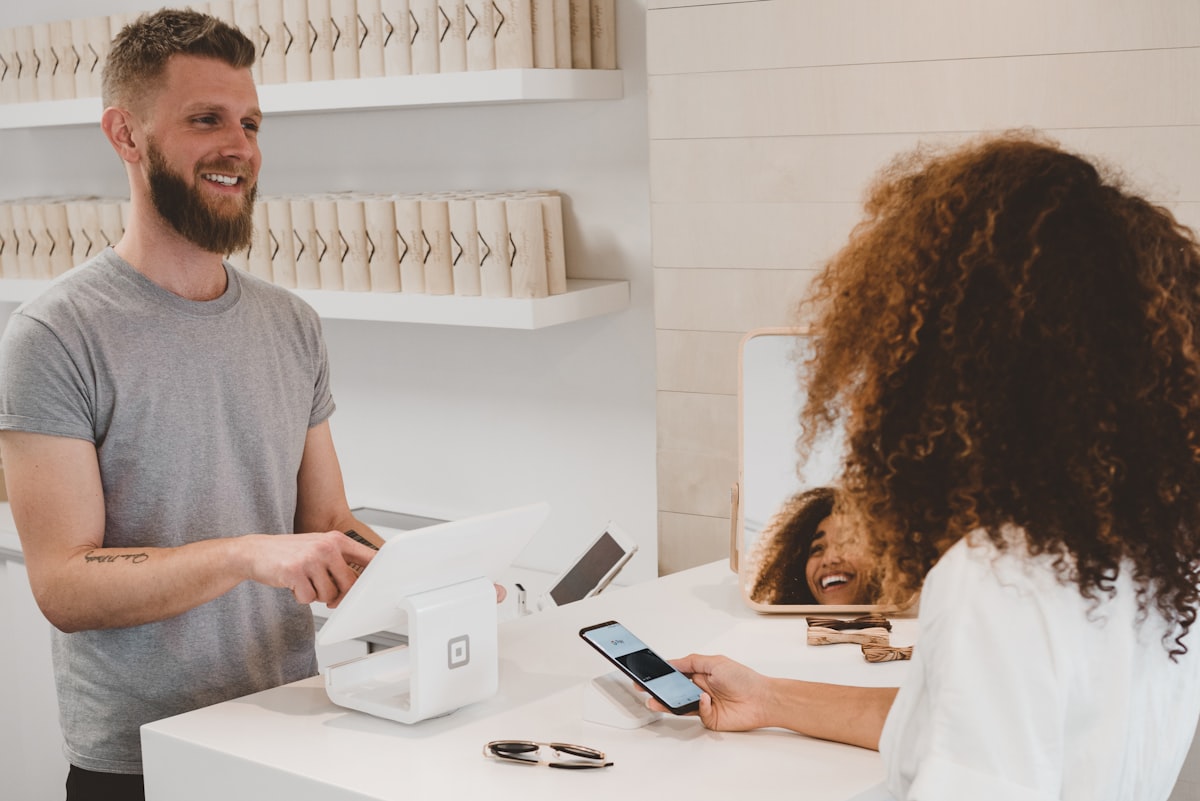
It's 9pm. A stranger lands on your store, likes what she sees and is ready to buy. Can she pay from her phone without calling you? Does she trust that you're a real business? Does she know when the order will arrive? If the answer to any of those is no, it won't matter which platform or template you chose.
Yet that's exactly where most people who want to start an online store in Nigeria spend their first two weeks: comparing platforms, picking a theme and redesigning the homepage three times. The things that decide whether the store makes money (payments, delivery, trust and getting found) rarely get a look until after launch.
This guide walks through the whole path, in the order that actually works. Here's the short version first.
What does it take to start an online store in Nigeria?
You need five things working together: something to sell, a way to get paid, a way to deliver, a place customers can buy from at any hour, and a way to keep records of who bought what. Register your business, set up a payment gateway, sort out delivery, build a simple store, then market it. Start lean, launch fast and fix what breaks. The platform is one decision among many, not the main one.
The numbers behind the opportunity
The demand is already proven. According to NIBSS, about ₦1.07 quadrillion moved through Nigerian electronic payment channels in 2024, up almost 80% from ₦600.36 trillion in 2023, across 11.2 billion transactions. In the first quarter of 2025 alone, electronic payments reached ₦284.99 trillion, a 17.7% rise year on year, and Point-of-Sale transactions jumped 209% to ₦10.45 trillion.
The audience is there too. DataReportal's Digital 2026: Nigeria report puts 109 million Nigerians online at the end of 2025, about 45.5% of the population, with 47.8 million social media user identities, up 34.7% in a year.
What's less developed is the setup. In a GSMA survey of small businesses across six African markets including Nigeria, 56% sold online through social media only, yet over 90% reported higher sales after adopting e-commerce. PwC's 2024 MSME survey found that most Nigerian small businesses use WhatsApp Business to reach customers.
The pattern: Nigerians move serious money through digital channels, most small businesses still sell mainly through social media and WhatsApp, and those who add proper e-commerce tools tend to sell more. The gap isn't demand. It's the setup.
What does an online store actually need to do?
An online store has five jobs, and only one of them is about looking nice. Keep these in mind, because every step in this guide is really about setting up one of them.
The first job is showing what you sell clearly enough that a stranger understands it without asking. That means real photos, honest descriptions, sizes or quantities, and prices people can see.
The second is taking payment, which in Nigeria isn't a single thing. Some customers want to pay by card, some by bank transfer, many by USSD or a transfer to a virtual account, and a large share still prefer to pay cash on delivery. Your store has to meet people where they are.
The third is getting the product to the customer. Delivery is where most new stores quietly fall apart, because it's the part you control least. You're relying on riders, couriers, traffic and addresses that were written badly.
The fourth is recording what happened: who ordered, what they ordered, whether they paid, whether it shipped and whether they came back. If all of that lives in your head or in scattered WhatsApp chats, you can't grow past a certain point.
The fifth is being there when you aren't. A store that answers basic questions at midnight, on a Sunday, while you're asleep, is what turns attention into orders. If every sale needs you personally in the middle of it, you've built a job, not a store.
Step 1: Decide what you're selling and who's buying
Start with one clear product, or a tight range, sold to a specific type of customer. The stores that struggle are usually trying to sell everything to everyone from day one.
Before you spend on a platform, answer three questions on paper. What exactly am I selling, and can I keep up with demand? Who is the person buying it, and where do they already spend time online? Why would they buy from me instead of the vendor they already know?
That third question matters more in Nigeria than people expect, because trust is the currency here. Buyers wonder whether you're real, whether the item is genuine and whether you'll still be around next month. A shop that sells one category really well usually out-trusts a shop that sells a bit of everything.
If you're still testing an idea, don't build a full store yet. Post, sell to people you can reach and watch what moves. The questions your first customers ask are the raw material for your store, so write them down.
Step 2: Register your business and open a business account
Registering with the Corporate Affairs Commission (CAC) turns you from "someone selling on WhatsApp" into a business that suppliers, banks and payment providers take seriously. You can start selling before you register, but you shouldn't stay unregistered for long.
Most small online sellers register a Business Name, the simpler and cheaper route. A Limited Company costs more and makes sense once you have partners, investors or contracts that need a formal structure. CAC now runs the whole process online through its Company Registration Portal, and individuals can register a business name without a lawyer or accountant.
You'll also need a Tax Identification Number (TIN), which is tied to your registration, and a business bank account. A dedicated account keeps store money separate from personal spending, and it's required once you move to a registered payment gateway.
Treat any single cost figure with suspicion, because agent fees vary widely. The official CAC filing fee for a business name is around ₦10,000, plus name reservation and a small certified-copy charge, which puts the do-it-yourself total at roughly ₦10,500 to ₦13,600. Accredited agents add a service fee, and their totals commonly land between about ₦15,000 and ₦50,000. Confirm current fees on the CAC portal before you pay anyone.
Step 3: Choose where your store lives
You have three real options in Nigeria: your own website, a marketplace or social media. Most successful businesses end up using more than one, but they pick a starting point deliberately.
Your own website is the only one you fully control. You set the prices, the layout, the customer data and the rules, and it's the only channel that builds an asset you own. A marketplace such as Jumia or Konga brings its own traffic, which is a real advantage when nobody knows you yet. The trade-off is competition, marketplace rules, commissions and the fact that you never really own the customer.
Social media, especially Instagram, Facebook and WhatsApp, is where most Nigerian buyers already are. It's unbeatable for discovery and conversation, but weak as a place to transact at scale, because prices get buried, content expires and you don't control the platform.
| Feature | Your own website | Marketplace | Social media |
|---|---|---|---|
| Who owns the customer | You | The platform | The platform |
| Who sets prices and rules | You | The marketplace | The platform |
| Built-in traffic | None to begin with | Yes | Yes |
| Best for | Owning the relationship and selling at scale | Getting discovered early | Discovery and conversation |
| Main cost | Domain, hosting, build | Commission per sale | Time, then paid reach |
| Main weakness | Nobody finds it until you drive traffic | Competition and fees | You don't control it |
Marketplaces and social media solve discovery for you. Your own website solves ownership and conversion. A practical Nigerian setup is a store you own, with social media feeding it and WhatsApp handling the conversation around the sale.
Two smaller decisions sit underneath this one. Your domain name is your address, and a .com.ng or .ng name signals a Nigerian business. These are registered through NiRA-accredited registrars, and prices vary, so compare. Your store software is what you build on: Shopify, an open-source tool, a Nigerian platform or a custom build. What matters is that it can take payments, manage products and work well on a phone, because that's where your customers are.
Step 4: Set up payments Nigerians actually use
A payment option your customers don't use is the same as not having one. The winning Nigerian setup lets people pay by card, bank transfer, USSD and cash on delivery, and settles to your account without you chasing it.
The standard route is a payment gateway such as Paystack or Flutterwave, which plugs into your store and handles cards, transfers, USSD and other channels in one place. These gateways charge no integration or maintenance fee and take a small fee per successful transaction, so you only pay when you get paid.
Paystack is a useful example because it offers two account types. A Starter Business is for people who haven't registered yet. It lets you collect real payments while you test, using your ID, BVN and a personal account, but it has a collection limit of ₦8,000,000 and blocks some features. A Registered Business removes that limit and unlocks everything, but needs CAC documents, a corporate account in the business name and director details. If you're testing, Starter is a sensible bridge. Once you're selling consistently, register and upgrade.
Alongside the gateway, most Nigerian stores keep manual bank transfer to a business account as a fallback, and many offer payment on delivery, especially for first-time buyers who don't yet trust an unknown store. Cash on delivery builds confidence, but it raises your risk and logistics cost, because riders carry both the goods and the money. Use it deliberately, not by default.
Step 5: Sort out delivery before you launch, not after
Delivery is the part customers judge you on and the part you control least, so decide how orders will physically reach people before you take the first one.
You have roughly three choices. Your own dispatch works when orders are few and close by. An on-demand rider platform is fast and flexible in Lagos, Abuja and other major cities. A nationwide courier with e-commerce services is what you need once orders come from outside your city.
The names most online sellers end up weighing include GIG Logistics, which offers nationwide e-commerce shipping, warehousing support and payment-on-delivery collection; Kwik, an on-demand last-mile platform that plugs into common store software; Fez Delivery; and CourierPlus. Each has its own strengths, coverage and pricing, and the right one depends on where your customers are and what you're shipping.
Whichever you choose, two things decide whether it works. One is clarity on cost and timelines, because customers forgive a two-day delivery but not being surprised by it. The other is packaging and handover discipline, because a good product in bad packaging reads as a bad business.
Step 6: Get the trust and compliance basics right
The legal and trust basics aren't optional extras. They're part of why a first-time customer decides to pay a business they've never met.
Start with what customers can see. Under the Federal Competition and Consumer Protection Commission's guidance on e-commerce, your terms and conditions must be clear, legible and free of unnecessary jargon, and your privacy policy must be included. Both should be linked prominently on your site. Product and price information must be disclosed clearly, and all key disclosures must be visible before a customer pays, not hidden at checkout. You also need a working way for customers to complain and get a response, because a buyer who can't reach you won't come back.
Then there's data. The Nigeria Data Protection Act 2023 governs the customer information your store collects: names, phone numbers, addresses and order histories. Under the NDPC's registration guidance, a business that processes the personal data of more than 200 people in six months is generally treated as a data controller of major importance and is expected to register with the Commission. Many new stores will sit under that threshold at first. Once you grow past it, or handle data in a sensitive sector, registration and proper data handling become a real obligation.
Finally, the simple trust signals that cost little and matter a lot: a real business name and address, a business email on your own domain, truthful product descriptions, clear return and refund terms and visible contact details. In a market where buyers have been burned by fake vendors, these are the difference between a browse and a payment.
Step 7: Launch, then get your first customers
Building the store is the easy part, because almost nobody will find it on their own. This is the step most new owners underestimate, and it decides whether the business survives. A store with no traffic is just a nice page nobody sees.
Start where your buyers already are. Post on the channels you identified in Step 1, and give people a clear reason to visit the store. Share the questions you keep answering, and make your store the place those answers live. Use your WhatsApp status, your social bios and any existing customer list.
Then get deliberate about being found. A Google Business Profile, honest product pages and a bit of search-friendly content help people who are already searching for what you sell. Paid ads can speed this up, but only send paid traffic to a store that already converts, otherwise you're paying to find out what's broken.
Watch three numbers from day one: how many people reach your store, how many of them pay, and how many come back. Those tell you exactly where to spend your next naira.
What does it cost to start an online store in Nigeria?
You can start lean for a modest upfront spend and grow the cost as the business grows. Be wary of any single quoted price, because it depends heavily on what the store has to do.
The costs fall into clear groups. Domain and hosting are yearly costs that vary by provider. Store software ranges from free open-source tools to monthly platform fees. Business registration is covered above. Payment processing is charged per transaction, so it scales with sales rather than sitting as a fixed cost. Delivery and packaging cost money per order. And marketing, the one most people underbudget, is really the fuel for the whole thing.
The honest guidance is to start with the smallest store that can take a payment and deliver a product, then reinvest. A common mistake is spending the whole budget on a beautiful store and having nothing left to bring people to it. The store isn't the business. The customers are.
Five mistakes that sink new Nigerian online stores
Most failures aren't caused by bad products. They're caused by a broken link in the system.
The first mistake is building the store before knowing what sells. People spend weeks on a catalogue of things nobody has asked for. Sell something first, then build around it.
The second is treating delivery as an afterthought. Orders arrive, nobody knows who's dispatching, and the customer is left messaging you for an update. That one experience can cost you the repeat purchase and the referrals.
The third is hiding prices. When prices aren't visible, every customer has to ask, and the ones who don't want to ask simply leave. Visible pricing isn't a risk. It's a filter that brings you serious buyers.
The fourth is ignoring the phone. Most of your customers are on mobile, often on mobile data, and a store that's slow or awkward there loses sales before anyone sees the product.
The fifth is never collecting customer information in a usable way. If your whole customer history lives in WhatsApp chats, you can't follow up, you can't remarket and you can't see what's working. A store should remember your customers for you.
Frequently asked questions
How do I start an online store in Nigeria?
Decide what you're selling and to whom, register your business, choose where the store lives (your own site, a marketplace or social media), set up a payment gateway, arrange delivery, build a simple store, then launch and market it. Start with the smallest version that can take a payment and deliver an order.
Do I need to register my business to sell online in Nigeria?
Not to start, but you should register soon. A Paystack or similar Starter account lets you take payments while unregistered, but it has a collection limit (₦8,000,000 on Paystack). To remove limits, unlock features and accept larger volumes, you need CAC registration and a corporate bank account in the business name.
How much does it cost to start an online store in Nigeria?
Costs come in groups: domain and hosting (yearly), store software (free to monthly), business registration (roughly ₦10,500 to ₦13,600 officially, more with an agent), payment processing (per transaction), delivery (per order) and marketing. You can start lean, but don't spend your whole budget on the store and leave nothing to bring customers in.
Can I start an online store with just WhatsApp and Instagram?
Yes, and many Nigerian businesses do. It works while your volume is small and your product is simple. The limit arrives when customers need information without waiting for a reply, when you want to sell outside your existing circle, or when you can't keep up with enquiries. That's when a proper store starts paying for itself.
Which is better in Nigeria, my own website or a marketplace?
It depends on your stage. A marketplace brings traffic but takes commission and keeps the customer relationship. Your own website has no built-in traffic, but you own the customer, the pricing and the data. Many businesses use a marketplace or social media to get discovered and their own store to build the relationship.
How do I accept payments on my online store in Nigeria?
Use a payment gateway such as Paystack or Flutterwave, which handles cards, bank transfers, USSD and other channels and settles to your account. Keep a manual bank transfer option and consider payment on delivery for first-time buyers, but manage the added logistics risk.
How do I handle delivery for my online store in Nigeria?
Choose between self-dispatch for local, low-volume orders, on-demand rider platforms for speed in major cities, or nationwide logistics companies such as GIG Logistics, Kwik, Fez or CourierPlus for orders outside your area. Be clear with customers about cost and timelines, and treat packaging as part of the product.
What legal things does an online store in Nigeria need?
Clear terms and conditions and a privacy policy, both linked prominently and visible before payment, in line with FCCPC e-commerce guidance. You also need a way for customers to complain and get a response. If you process the personal data of more than 200 people in six months, you're generally expected to register with the Nigeria Data Protection Commission under the NDPA 2023.
Do I need a domain name for my online store?
You don't strictly need one to sell on social media, but a domain gives your store a stable address customers can trust and remember. A .com.ng or .ng name signals a Nigerian business and is registered through NiRA-accredited registrars, with prices that vary.
The bottom line
Starting an online store in Nigeria isn't really about picking a platform. It's about building a small system where a stranger can find you, trust you, pay you and receive the product, without you standing in the middle of every step.
Do the unglamorous work first. Know what you sell and to whom. Register the business. Set up payments Nigerians actually use. Decide how delivery will work before the first order. Give customers a reason to trust you. Then build the simplest store that ties it together, and put real effort into getting people to it.
If you're not sure where to start, tell us what you sell and how customers buy from you today. At AlphaTNX, we build the selling layer: online stores, checkout and payments, order journeys and the customer records behind them, all connected to the rest of your business. We'll show you the shortest path from "we're on WhatsApp" to "we're taking orders online."
Ready to build your online store?
At AlphaTNX Digital, we build high-converting online stores, Paystack/Flutterwave checkouts, and automated order systems for Nigerian businesses.
Reach out to us to build your online store →